
“Mobilize To Thrive: Prioritizing Quality of Life” is the Theme and Call To Action.
HIV Long-Term Survivors Awareness Day on June 5, 2022 Has The Theme And Call To Action “Mobilize To Thrive: Prioritizing Quality Of Life” because we do not have the luxury of time.
“The Centers for Disease Control and Prevention (CDC) estimate that [over] 50% of people with HIV [and AIDS in the US] are older than 50 years, and account for 70% of total deaths among people with HIV and AIDS.”— The Lancet Feb 2022

Biological ageing with HIV infection: evaluating the geroscience hypothesis
Let’s Kick ASS — AIDS Survivor Syndrome sponsors of HLTSAD Launches a Month-Long Campaign Raising Awareness That Leads to Action Starting June 5, 2022
We need to raise our voices and let the Biden-Harris Administration know to prioritize improving Quality of Life and deliver on the promises in the Updated National HIV & AIDS Strategy.
NATIONAL HIV/AIDS STRATEGY
Make big promises, but we have not seen action on those
The National HIV/AIDS Strategy for the United States 2022–2025 provides the framework and direction for the Administration’s policies, research, programs, and planning for 2022–2025 to lead us toward ending the HIV epidemic in the United States by 2030.
Adds a new focus on the needs of the growing population of people with HIV who are aging.
Enhances a focus on quality of life for people with HIV.
Expands discussion of populations with or experiencing risk for HIV unique circumstances warrant specific attention and tailored services, such as … individuals with disabilities, justice-involved individuals, older adults, and people experiencing housing instability or homelessness.
“The Biden-Harris Administration is committed to addressing the nation’s behavioral health crises and strengthening the mental health of all Americans.”

Developmental Indicator — Quality of Life (QofL) for people with HIV
“One key issue, quality of life for people with HIV, was designated as the subject for a “developmental indicator,” meaning that data sources, measures, and targets will be identified, and progress monitored thereafter. Potential data sources and measures exist for this indicator, but further work must be done to assess them and craft the specifications for this developmental indicator. Working with parties and organizations, the federal government will develop an indicator.”
We need to insist that the input of HIV Long-Term Survivors and Older Adults with HIV and AIDS be included in these discussions.
It is a national plan designed to re-energize a whole-of-society response to the HIV epidemic that accelerates efforts while supporting people with HIV and reducing HIV-associated morbidity and mortality.
Learn more about the National HIV/AIDS Strategy at HIV.gov/topics/nhas
Why June 5?
The selection of June 5 for this annual observance coincides with the 41st anniversary of the first official reporting of what became known as AIDS.
On June 5, 1981, the Centers for Disease Control and Prevention (CDC) published in its Morbidity and Mortality Weekly Report an article describing five previously healthy young gay men in Los Angeles who had Pneumocystis carinii pneumonia (PCP). After the article was published, more cases were reported in other cities.
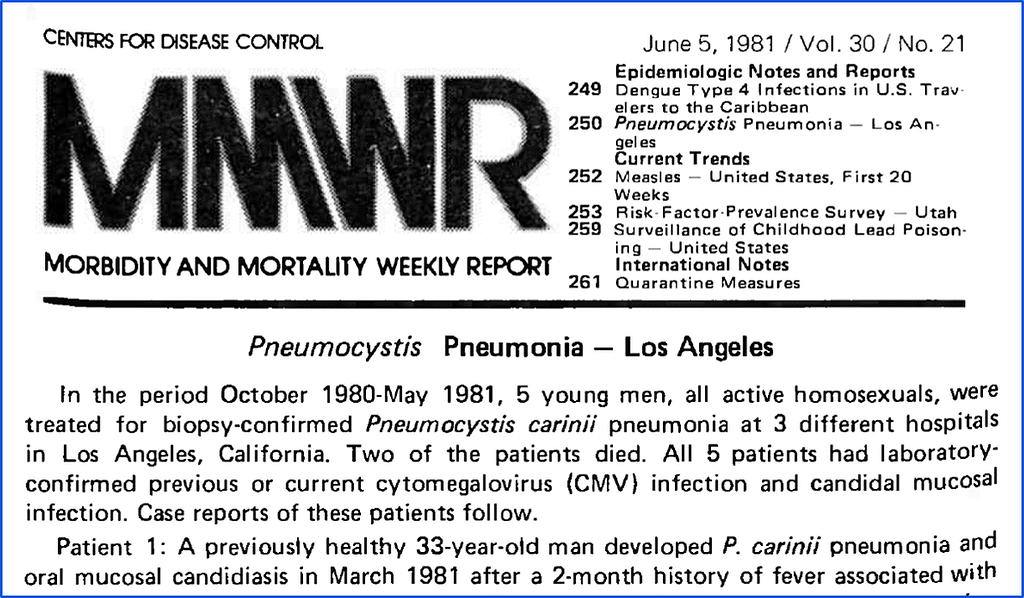
The selection of June 5 for this annual observance is on the anniversary of the first official reporting of what became known as the AIDS epidemic in 1981.
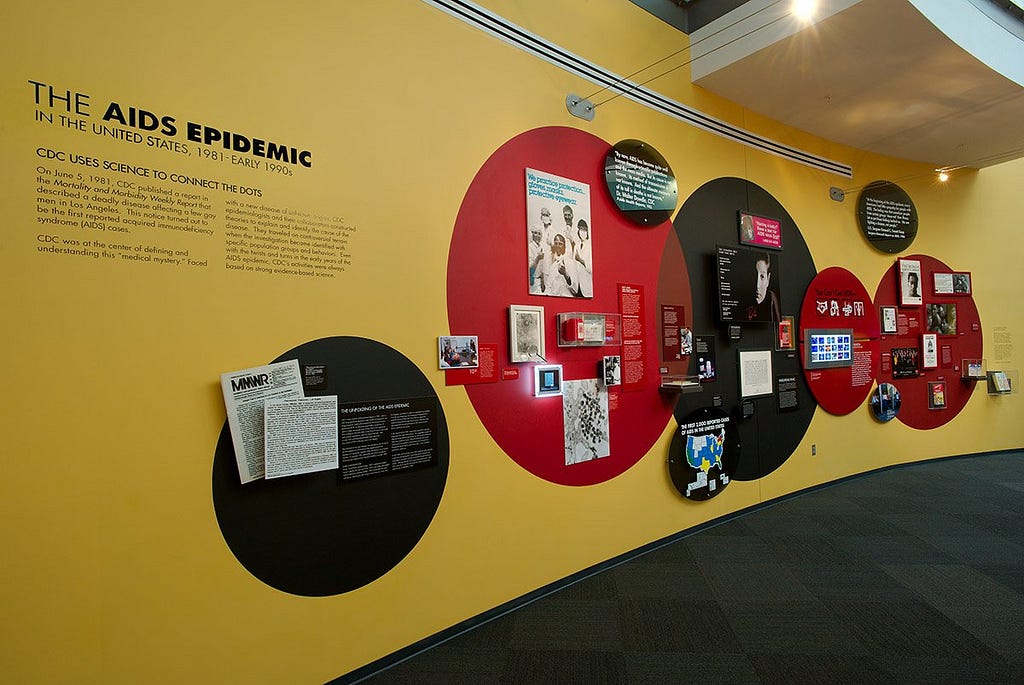
Sunday, June 5, is HIV Long-Term Survivors Awareness Day (HLTSAD) 2022. The selection of June 5 for this annual observance coincides with the 41st anniversary of the first official reporting of what became known as the AIDS epidemic on June 5, 1981.